



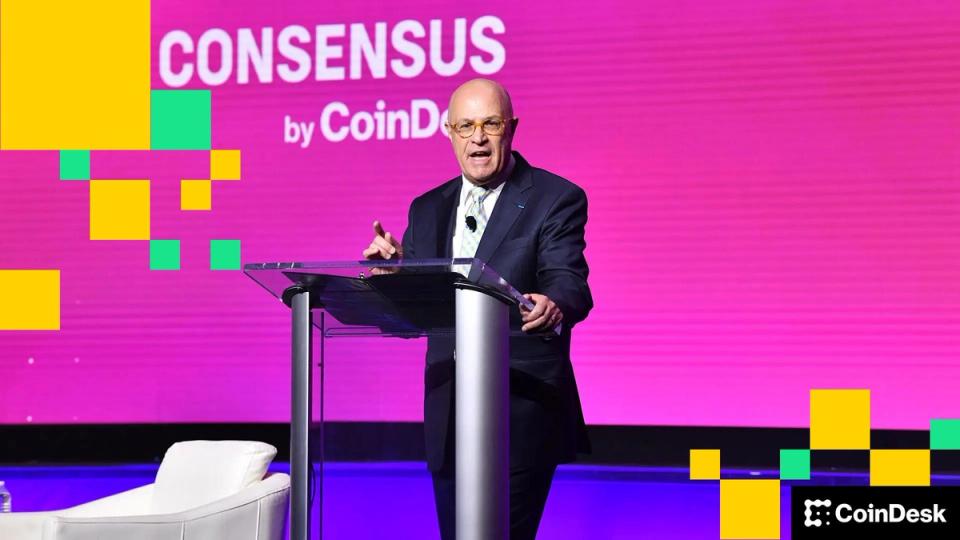
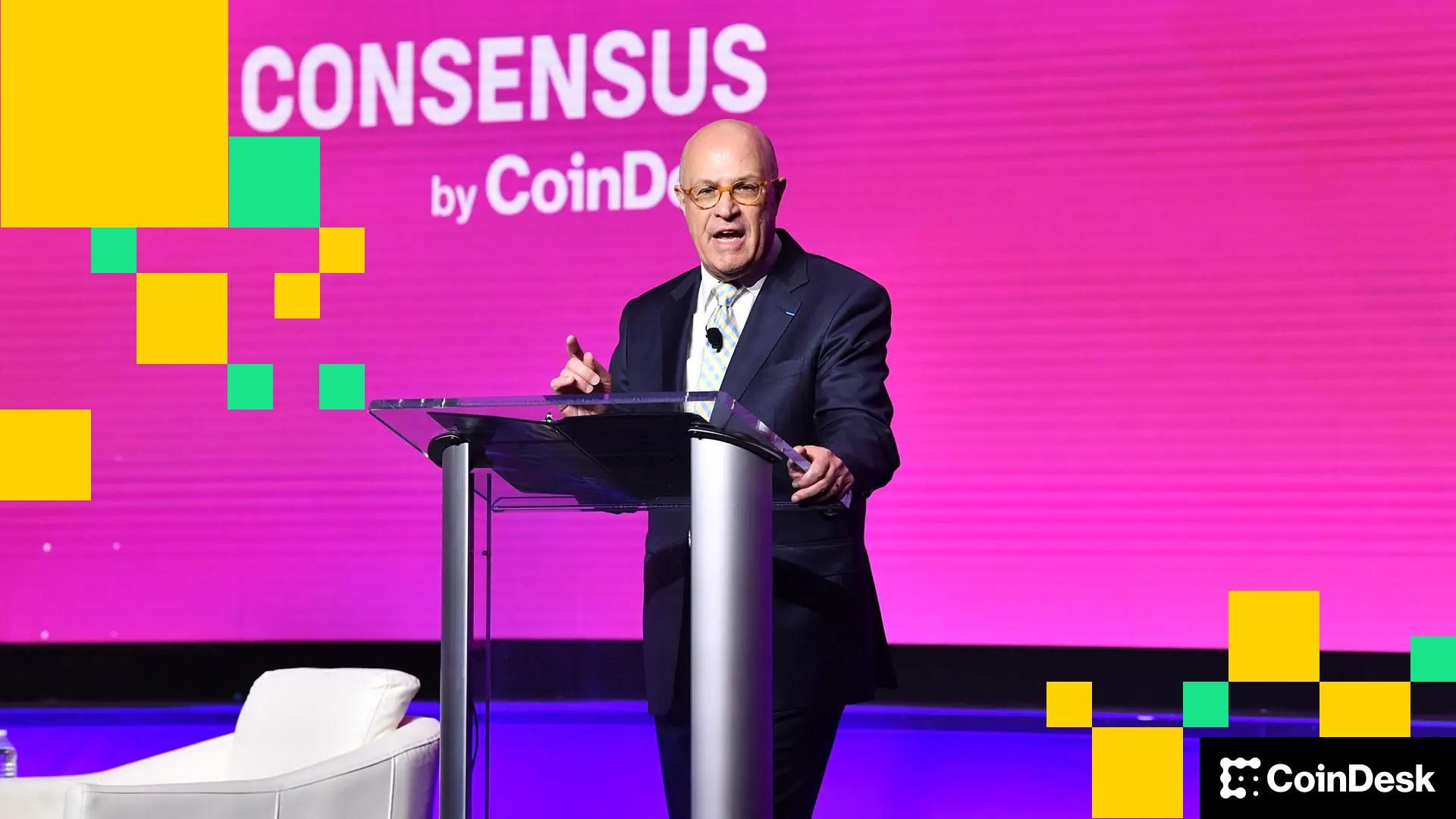
According to Christopher Giancarlo, former chairman of the country’s Commodity Futures Trading Commission (CFTC), the banking industry stands to gain more from the stalled US Digital Asset Market Clarity Act, which aims to regulate digital assets, than the crypto industry.
“Banks need it more than crypto,” Giancarlo said Scott Melker on Sunday’s Wolf of All Streets podcast. “Their general counsel is telling their boards: You can’t invest billions of dollars to build these digital rails unless you have regulatory certainty. Banks can’t afford regulatory uncertainty.”
The bill has been stalled since January, with crypto companies including Coinbase CEO Brian Armstrong pushing back against proposals by the Senate Banking Committee to ban crypto firms from paying rewards to stablecoin holders.
Stablecoins, tokens whose values are tied to an external reference such as the dollar, are central to the blockchain-based payments infrastructure being discussed in the legislation: banks see them as key building blocks for a new digital system that can move money faster and more efficiently, while crypto firms are already experimenting with their use in global payments.
However, banks fear that allowing stablecoin rewards could trigger capital flight from their coffers and want a “level playing field,” as JPMorgan CEO Jamie Dimon put it. Trump administration officials have also criticized the banks for holding the legislation “hostage.”
Giancarlo warned that if banks resist this, crypto will continue to build anyway, possibly moving overseas.
“If the banks oppose it now, it’s not going to go away. It’s just going to go to Europe. It’s going to go to Asia … and then the American banks are going to say, ‘Wow.’ Our analog, identity-based, message-based system is no longer working out there,” he said.
Giancarlo puts his odds of the bill passing at around 60-40. “We have a lot of issues to sort out before we get this done,” he said, adding that both sides have already missed the White House’s March 1 deadline.