





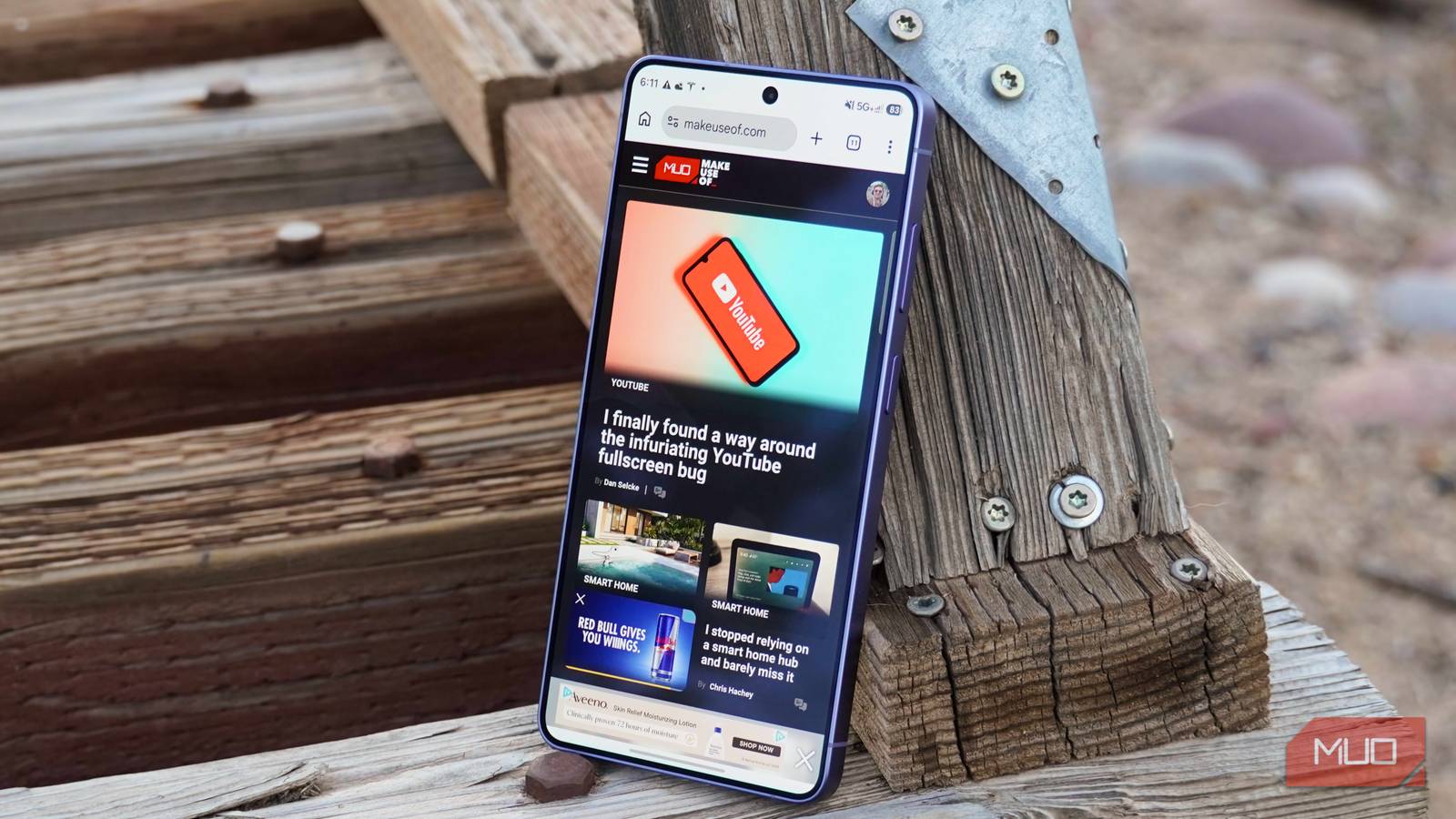
Samsung isn’t just a phone company — it makes the components that power your favorite electronics from a variety of brands. Samsung Electronics is the arm that sells you phones, watches or earbuds, but Samsung Foundry and Samsung Display make chips and screens for other companies. This means that the technology you see on Samsung products could very well have implications both within and outside of the Galaxy ecosystem. Since the launch of the Samsung Galaxy S26 Ultra, there’s been one display feature I’ve needed everywhere, and I’m not just talking about the phone.
The Galaxy S26 Ultra is the first consumer product to use Samsung’s Flex Magic Pixel OLED. This is the display technology everyone is talking about, as it powers the all-new Privacy Display feature. Privacy Display helps protect your screen from nosy neighbors, and it works well for protecting sensitive information or notifications from your phone. The truth is, most of us don’t have much to hide on our phones.
Our laptops are a different story. A laptop is a billboard that can display confidential work information or sensitive personal data for anyone to see while you’re out and about—Privacy Display can solve this problem once and for all.

The Galaxy S26 Ultra is almost perfect, and that almost annoys me.
The Galaxy S26 Ultra may once again be the best Android phone money can buy, but there’s one thing I need Samsung to address.
Privacy Display is the best phone feature in years.
You want Samsung to innovate? Well, here’s some innovation
If you’ve been waiting for innovation from Samsung, the Galaxy S26 Ultra is the smartphone for you. We can debate how effective the Galaxy S26 Ultra’s upgrades are, but there’s no doubt that upgrades were made. Charging is fast, the cameras have wide apertures, and then there’s the FlexMagic Pixel OLED screen. It has a pixel architecture consisting of wide and narrow pixels that can be individually enabled or disabled.
This hardware pixel management is crucial to powering the privacy display feature. For standard viewing, both wide and narrow pixels are enabled, enabling visibility at all angles. When privacy display mode is enabled, only narrow pixels are turned on. This means you can view the Galaxy S26 Ultra’s screen straight on, but not at off-axis viewing angles. It works like a privacy screen protector, but better.
Privacy Display is one of those features that you need to see for yourself to fully appreciate. Those who haven’t been to Best Buy should try it for themselves. Once you start using Privacy Display, it quickly becomes an important part of your daily life. While reviewing the Galaxy S26 Ultra, I found myself flipping on the privacy display on public transportation and in airports or at sporting events. People in public are insensitive, and you don’t have to worry about anyone peeking at your screen when this feature is enabled.

The Galaxy S26 Ultra has two new features that I actually want on every phone.
The Samsung Galaxy S26 Ultra is the brand’s best new phone with two particularly interesting features that you’ll want to try out right now.
A privacy display makes a lot of sense on a laptop.
Hiding confidential or sensitive information becomes instantly easier.

As amazing as I think the Privacy Display is, it alone isn’t enough to make people buy the Galaxy S26 Ultra. The Samsung Galaxy S26 Ultra is the most expensive traditional flagship on the market, priced at $1,300. It’s for those who need everything a smartphone has to offer, from a standout processor and S Pen to a 200MP primary shooter. A value proposition cannot be tied to a single feature. The price is justified only by the phone’s versatility and overall offerings.
Laptops are a different story. It’s a historically boring product category with limited options — you can choose between touchscreen, convertible, or matte display laptops, but that’s about it. Niche models like the dual-display Asus Zenbook Duo or modular framework laptops haven’t really caught on. The laptop market is basically begging for a new feature that injects some much-needed innovation into the category.
Privacy Display could be that feature. It’s neat on the phone, but there are limited use cases that might require hiding your smartphone’s screen. It might be nice to prevent onlookers from seeing my texts or Slack messages, though it’s certainly not necessary. I set my Galaxy S26 Ultra’s Privacy Display to automatically activate when entering passwords and PINs or viewing online banking apps. These are more practical and necessary applications, but also less common.

If I had a privacy display on my laptop, I would use it almost non-stop. I have a desktop workstation, which means my laptop is mainly used for remote work in places like coffee shops, restaurants, airports, and hotel lobbies. This is a problem for anyone working with proprietary or confidential information. This isn’t just a privacy concern, it’s a security risk. Having a FlexMagic Pixel OLED screen on my laptop will mean I can work from anywhere without worrying about who can see the contents of my screen.
Laptop screens are much larger than smartphone displays – I have a 14-inch MacBook Pro, but 16-inch and 17-inch laptops are not uncommon. The bigger the screen, the easier it is for the eyes to see. As a visually impaired person, I tend to keep my font and display sizes larger than average, which makes me even more in need of something like a privacy display.

I benchmarked Samsung’s Galaxy S26 series against the iPhone and Pixel – it was a clear loser.
Thanks to an aluminum chassis, a redesigned vapor chamber, and a new Snapdragon chip, the Galaxy S26 Ultra excels at maintaining performance.
I would ditch my MacBook for a Galaxy Book.
I believe the same as a great feature in Privacy Display.

Laptops sport larger screens than phones, and you’re more likely to use them while viewing confidential information. By nature, they are portable. Laptops live in classrooms, coffee shops and airports. These are all places and use cases that could benefit from having a privacy display feature to prevent off-access viewing. I love working remotely from a cafe, but I don’t like the people next to me reading this article while I type it.
The privacy display is amazing and modern, but it’s not practical enough. For smartphones To justify shelling out cash for the Galaxy S26 Ultra. It’s significantly more practical for a laptop, and I’d definitely pay extra to have it on my mobile workstation. In fact, if Samsung made it a Galaxy Book exclusive, I might have to consider ditching my MacBook to get it.

- SoC
-
Snapdragon 8 Elite Gen 5
- Display
-
6.9-inch Dynamic Super AMOLED 2X
- Ram
-
12 or 16 GB
- storage
-
256GB, 512GB, or 1TB
- Battery
-
5,000 mAh
- Operating system
-
Android
For now, if you want to use Samsung’s Privacy Display feature, you’ll need to buy a Galaxy S26 Ultra. The Samsung Galaxy S26 Ultra isn’t a huge leap in specs over the previous generation Samsung Galaxy S25 Ultra, but it’s an improvement in every aspect.